In today’s digital landscape, video content reigns supreme across social media platforms, and typography plays a crucial role in making that content engaging and effective. The capcut fonts has emerged as one of the most popular video editing applications, offering robust tools for creators who want to enhance their videos with compelling text elements. Understanding how to properly access and implement creative fonts within CapCut can transform your videos from ordinary to extraordinary, adding personality, improving communication, and strengthening brand identity through strategic typographic choices.
Accessing CapCut’s Built-in Font Library
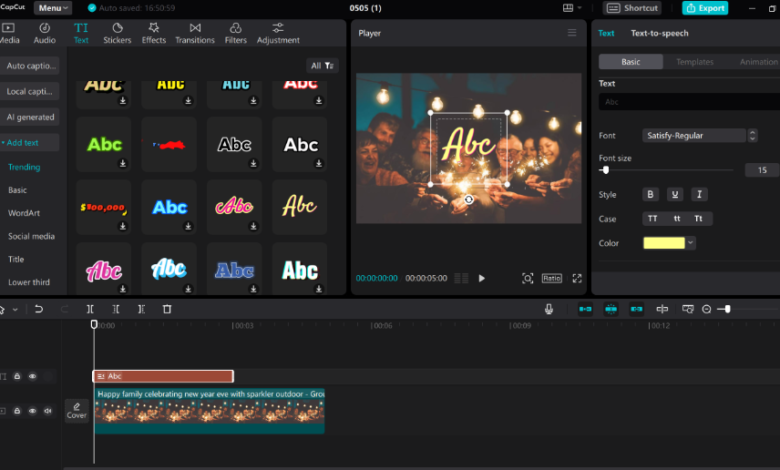
CapCut comes equipped with an extensive collection of built-in fonts that are immediately accessible to users without additional downloads or purchases. To access these fonts, simply create a new project and add text to your timeline by tapping the “Text” option. Once your text box appears, select it and choose the “Font” option from the editing menu that appears. This will open CapCut’s font library, which categorizes typefaces into various styles including Classic, Modern, Handwriting, and Decorative. The application frequently updates this collection, providing fresh typographic options that reflect current design trends. For creators seeking quick, royalty-free solutions, this built-in library offers substantial variety without the complexity of external font integration.
See also: How to Choose the Right Interior Design Style for Your Home


Importing Custom Fonts into Your Projects
While CapCut’s native font selection is substantial, many creators require specific brand fonts or more distinctive typography for their projects. The application supports custom font integration through a straightforward import process. To add your own fonts, you’ll first need to download the font files to your device, typically in TTF or OTF format. Within CapCut, navigate to the text editing interface and select the “Font” option. Look for the “Add Font” button, usually represented by a plus (+) symbol, which will allow you to browse your device’s storage and select the font files you wish to import. Once added, these custom fonts become permanently available within your CapCut font library, enabling consistent branding across all your video projects without compromising on typographic specificity.
Strategic Font Selection for Different Content Types
Choosing the appropriate font requires consideration of your content’s purpose, audience, and platform. For attention-grabbing titles and introductions, bold display fonts with strong personality often work best, as they create immediate visual impact. For informational content such as tutorials or educational videos, clean, highly legible sans-serif fonts ensure that viewers can quickly absorb on-screen text without distraction. When creating content with a personal touch, such as vlogs or storytelling videos, handwriting or script fonts can add warmth and authenticity. CapCut’s categorization system helps guide these decisions by grouping fonts according to their stylistic attributes and potential applications, making it easier to select typography that aligns with your creative vision and communication goals.
Advanced Text Animation and Styling Techniques
Beyond basic font selection, CapCut offers sophisticated text animation and styling tools that can enhance your typographic presentations. The “Style” tab provides options for adding borders, shadows, and backgrounds to your text, improving readability against complex video backgrounds. The “Animation” tab contains numerous preset animation effects that can bring your text to life through movements, fades, and transformations. For professional results, consider using these animation features strategically rather than excessively—simple fade-ins often appear more polished than overly dramatic effects. Additionally, experimenting with layering multiple text elements using different fonts can create dynamic title sequences and information hierarchies that guide viewer attention throughout your video.
Conclusion
Mastering typography within CapCut represents a significant opportunity to elevate your video content and strengthen your visual communication. By leveraging both the application’s built-in font library and the capability to import custom typefaces, creators can develop distinctive typographic identities that resonate with their target audiences. The most effective implementations consider context, readability, and brand alignment, using text not merely as an informational element but as an integral component of the visual narrative. As video continues to dominate digital communication, the ability to skillfully manipulate typography within editing platforms like CapCut becomes an increasingly valuable skill, enabling creators to produce content that not only captures attention but sustains engagement through professional, thoughtful design execution.