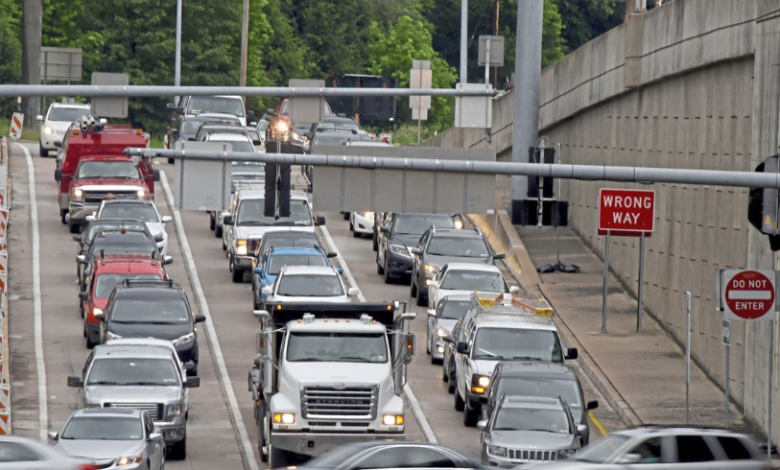
A lane control sign plays a quiet but powerful role in how modern roads function. Whether on highways, tunnels, or urban corridors, these signs guide drivers in real time, helping them understand which lanes are open, closed, or restricted. As traffic volumes increase and road networks become more complex, lane control systems have become essential for safety and efficiency.
Unlike static road signs, lane control signs are dynamic. They respond to traffic conditions, incidents, and maintenance needs, making them a key tool for traffic authorities managing busy routes.
Understanding How Lane Control Signs Work
Lane control signs are typically mounted above roadways or at strategic points where drivers need quick, clear instructions. They use illuminated symbols, arrows, or lane status indicators to communicate changes instantly. This visual clarity allows drivers to react early, reducing sudden lane changes and braking.
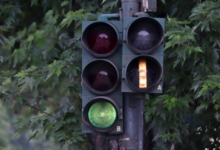

These systems are often connected to traffic management centers. Operators can adjust lane status based on congestion levels, accidents, or weather conditions. In some cases, automation enables the system to respond without manual intervention, improving response times during peak hours.
See also: Growth Hacking Techniques 658099420 for Rapid Expansion
Improving Road Safety Through Clear Lane Guidance
One of the biggest advantages of lane control signs is their contribution to road safety. Confusion at high-speed roads can lead to serious accidents. Clear lane guidance helps prevent head-on collisions, wrong-way driving, and last-second maneuvers.
In tunnels and bridges, where space is limited and risks are higher, lane control signs provide constant visual confirmation of allowed movement. Drivers are less likely to hesitate or guess, which leads to smoother and safer traffic flow overall.
Lane Control Sign Applications in Urban and Highway Settings
Why Lane Control Sign Systems Are Expanding
Lane control sign technology is no longer limited to highways. Urban areas increasingly rely on these systems to manage reversible lanes, bus-only corridors, and peak-hour traffic patterns. Cities use them to adapt road usage based on time of day, events, or emergencies.
On highways, lane control signs support incident management. When an accident occurs, specific lanes can be closed or redirected without relying solely on physical barriers. This flexibility minimizes delays and helps emergency services reach the scene faster.
Integration With Smart Traffic Infrastructure
Modern lane control systems often work alongside other intelligent transport technologies. Vehicle detection sensors, traffic cameras, and adaptive signal systems feed data into a centralized platform. Based on this data, lane control signs update automatically to reflect real-time conditions.
This integration supports better decision-making for both drivers and traffic managers. Drivers receive clear instructions, while authorities gain insights into traffic behavior and system performance. Over time, this data helps improve road planning and congestion management strategies.
Design, Visibility, and Human Factors
Effective lane control signs are designed with human behavior in mind. High-contrast displays, standardized symbols, and proper placement ensure visibility in daylight, nighttime, and adverse weather. Consistency across regions also helps drivers understand signals quickly, even when traveling unfamiliar routes.
Durability is another key factor. These signs must withstand vibration, temperature changes, and long operating hours. Reliable performance builds driver trust, which is critical for compliance and overall system effectiveness.
Long-Term Benefits for Traffic Management
Lane control signs contribute to more than just daily traffic flow. Over time, they help reduce accident rates, lower congestion-related emissions, and improve travel time reliability. By making better use of existing road space, authorities can delay or avoid costly infrastructure expansions.
Maintenance needs are generally predictable, focusing on lighting components, communication systems, and structural supports. When properly managed, lane control systems offer a long service life with consistent performance.
Looking Ahead
As transportation networks move toward connected and automated vehicles, lane control signs will remain a core communication tool. Even with advanced in-car systems, clear roadway signals provide a shared reference point for all road users.
In conclusion, the lane control sign is a vital element of modern traffic management. By offering real-time guidance, improving safety, and supporting smart infrastructure, lane control sign systems help roads function more efficiently today while preparing them for the demands of tomorrow.