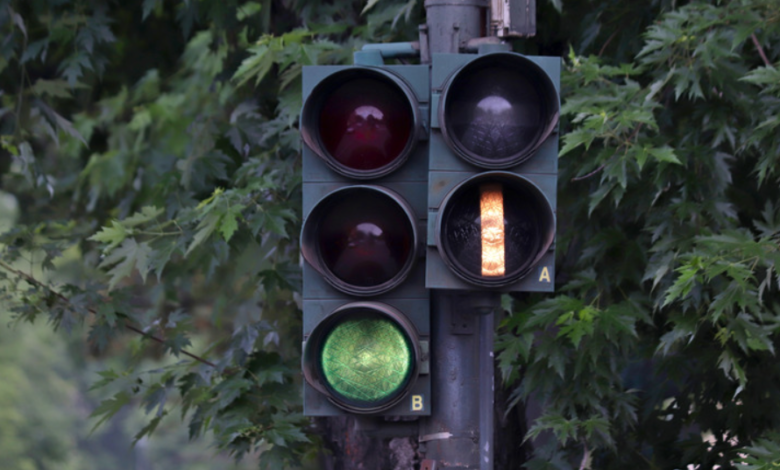
An LED traffic signal light has transformed the way urban roads are managed and illuminated. Unlike traditional incandescent bulbs, LED signals offer brighter illumination, longer lifespan, and lower energy consumption. As cities expand and traffic volumes increase, switching to LED traffic signal lights has become an essential step in improving visibility, reducing maintenance, and supporting sustainable infrastructure.
Traffic management relies heavily on clear and reliable signals. LED traffic signal lights provide consistent brightness in all weather conditions, making intersections safer for drivers, pedestrians, and cyclists. Their efficiency and durability have made them the standard choice for modern traffic systems worldwide.
How LED Traffic Signal Lights Work
LED traffic signal lights operate using light-emitting diodes, which produce intense light using minimal energy. Unlike incandescent bulbs that rely on filaments and produce heat, LEDs convert almost all electricity into light, making them highly efficient. Each signal light consists of multiple LEDs arranged to form red, yellow, and green lenses, ensuring uniform illumination and high visibility.

These lights also offer instant illumination. Traditional bulbs may take a few milliseconds to reach full brightness, but LEDs activate immediately, which is crucial in situations where clear signals prevent accidents. Additionally, their robust design allows them to withstand vibrations, extreme temperatures, and heavy usage.
See also: How to Choose the Right Interior Design Style for Your Home
Energy Efficiency and Environmental Benefits
One of the primary advantages of LED traffic signal lights is their energy efficiency. They consume significantly less power compared to incandescent and halogen bulbs, reducing the energy footprint of city traffic systems. Over time, this translates into considerable cost savings for municipalities and supports environmental sustainability goals.
LED lights also require less frequent replacement due to their long lifespan, often lasting over 50,000 hours. This reduces waste and the need for regular maintenance, minimizing disruptions at busy intersections and lowering operational costs for traffic departments.
Enhancing Road Safety with LED Signals
Visibility is critical to preventing accidents, and LED traffic signal lights excel in this area. Their brightness penetrates fog, rain, and other adverse conditions, ensuring that drivers can clearly see the signal from a distance. Improved clarity reduces the likelihood of sudden braking or missed signals, contributing to smoother traffic flow and safer roads.
Some LED systems are also integrated with adaptive signal control technologies. These systems adjust light timing based on real-time traffic conditions, further enhancing safety and efficiency. This integration highlights the potential for LEDs to play a central role in smart city initiatives.
Durability and Maintenance Considerations
LED traffic signal lights are built to last. Their solid-state construction resists shock and vibration, which is particularly important for intersections with heavy vehicle traffic. Unlike traditional bulbs, they are less prone to burnout and damage, ensuring reliable operation even in harsh environments.
Maintenance requirements are minimal, but periodic inspections are recommended to clean lenses and ensure proper operation. The combination of low energy use, long life, and reduced maintenance makes LED traffic signal lights a cost-effective investment for municipalities.
The Future of LED Traffic Signal Lights
As urban infrastructure evolves, LED traffic signal lights will continue to be integrated with intelligent transportation systems. Features such as remote monitoring, adaptive control, and communication with connected vehicles are expected to become more common, enhancing road safety and traffic efficiency.
In conclusion, the LED traffic signal light is more than a simple road fixture. Its energy efficiency, durability, and superior visibility make it a cornerstone of modern traffic management. By adopting LED technology, cities can improve safety, reduce costs, and move toward smarter, more sustainable urban road systems.